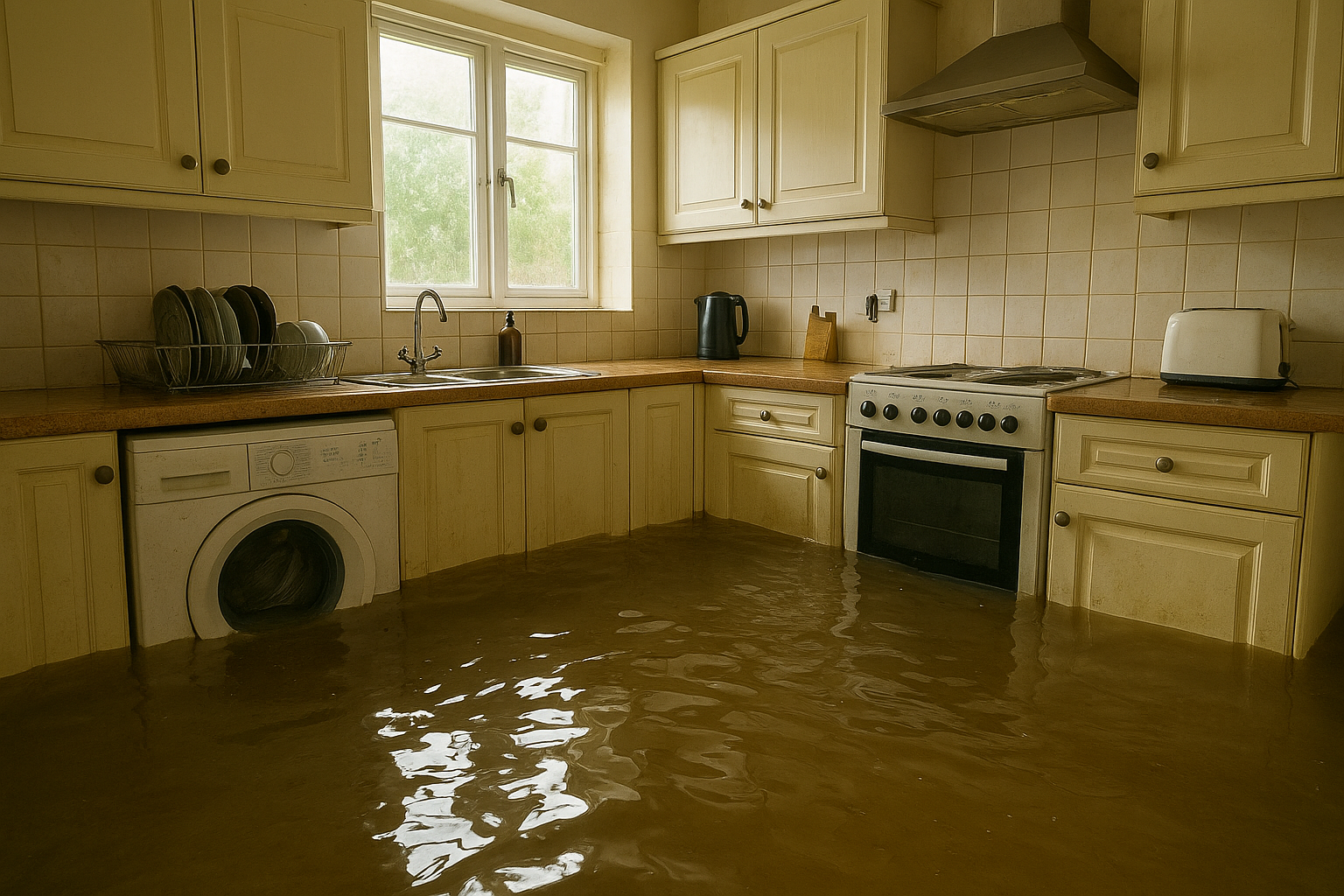





Dealing with the aftermath of sudden damage to your home or business can be overwhelming, and things can become even more complicated if you need to file a claim on someone else’s insurance. This process, known as a third-party insurance claim, frequently occurs in property scenarios—such as a neighbour’s plumbing leak flooding your flat, a tradesperson accidentally starting a fire, or a runaway vehicle crashing into your shopfront.
Filing a claim against another party can feel daunting if you’re unfamiliar with property liability. However, by understanding the key steps, you can navigate the process smoothly and ensure you receive your entitled compensation to restore your property. Here’s a breakdown of the basics and a guide on how to claim on someone else’s insurance.
Liability Is Key
Claims Costs and Building Materials:
Concerns Over Value
Third-party insurance protects a person or business from liability for damage they cause to others. If someone damages your domestic or commercial property, their liability coverage (such as a homeowner’s liability or a contractor’s public liability insurance) is meant to compensate you for your losses.
A neighbour’s poorly maintained tree falling onto your roof.
A tradesperson accidentally cutting a water main, flooding your commercial building.
A vehicle losing control and impacting your property’s exterior wall or shopfront.
In these cases, liability refers to their legal responsibility for causing the damage. Coverage is the extent to which their policy will compensate you for repairs, loss of rent, or business interruption.
What Oakleafe Clients Say:
Book your complimentary consultation with our insurance claim professionals.
Our insurance claim professionals will explain the claim process to ensure you understand your options.

Accurate information at the scene is key to supporting your third-party claim. Evidence collected immediately can streamline the claims process and improve the chances of fair compensation.
Here’s what you need to gather:
Exchange information: Gather details from the responsible party (the neighbour, the contractor, or the driver if a vehicle struck your building). Obtain their name, contact details, insurance provider, and policy number.
Document the scene: Take clear photos and videos of the property damage before any clean-up begins. Focus on the source of the issue (e.g., the burst pipe from the flat above, the structural impact damage) and capture the extent of the damage to the building and its contents.
Speak with witnesses: If anyone witnessed the incident—such as a vehicle crashing into your wall or a contractor making an error—take their contact information and note their account.
Request incident reports: If emergency services such as the Fire Brigade or the Police attended the scene, get a copy of the incident report and record the reference numbers.
Filing a third-party property claim is a detailed process that requires precision and thoroughness. Here is a step-by-step guide:
Contact the at-fault party’s insurer: Reach out to them as soon as possible after the incident (or have your Loss Assessor do it on your behalf). Provide a summary of what happened.
Submit the required documentation: Provide your photos of the damaged property, CCTV footage if available, independent surveyor notes, and any emergency service reports. These give the insurer a clear picture of the liability and the damage.
Cooperate with the loss adjuster: The insurer will assign an adjuster to assess the structural or superficial damage to your home or business. Be sure to point out all affected areas, including secondary damage like water ingress or smoke damage.
Review the settlement proposal: Ensure that the settlement covers all reinstatement costs, professional fees (like structural engineers), and secondary costs like alternative accommodation or business interruption. If it falls short, you have the right to negotiate.
Receive your compensation: Once a settlement is agreed upon, the insurer can pay your approved building contractors directly or reimburse you for the costs of the restoration.
Knowing when to pursue the other party’s insurance directly depends on a few factors. First, consider the severity of the damage. Sometimes, it is faster to claim on your own domestic or commercial property policy and let your insurer “subrogate” (recover the costs from the at-fault party behind the scenes).
However, claiming directly against the third party can protect your own claims history and prevent your premiums from rising. You must also keep in mind the legal time limits for filing a liability claim to avoid losing your right to compensation.
Property damage caused by an uninsured contractor or an unidentified hit-and-run driver crashing into your boundary wall can complicate matters. Take these steps to protect yourself:
Report the incident to the police immediately, especially if a vehicle hit your property and fled, or if malicious damage occurred. A police incident number is critical evidence.
Check your own policy. If the third party is uninsured or untraceable, you will likely need to rely on your own domestic or commercial property insurance to cover the reinstatement costs.
Consult a professional. A Loss Assessor can help you explore all avenues for recovering your financial losses, ensuring your own insurer pays out fairly if the third party cannot be held accountable.

Once your claim is approved, you can proceed with property repairs. An insurance adjuster will inspect the damage and provide a repair estimate. Here’s how to handle the next steps:
Choose a reputable contractor: Some insurers may try to push you to use their approved network of builders. Remember, you usually have the right to appoint your own reputable, independent contractors to ensure high-quality reinstatement of your home or business.
Payment Options: The insurer will generally pay the builders directly or reimburse you once the works are invoiced.
If the third-party insurer denies your claim, follow these steps:
Understand the Reason: Review the denial notice. Common reasons in property claims include disputes over liability, the third party denying fault, or insufficient evidence tying the damage to their actions.
Gather Additional Evidence: Collect independent surveyor reports, CCTV footage, or expert leak-detection reports that definitively prove the other party is at fault.
Appeal the Decision: Submit a formal dispute to the insurance company with your new evidence.
Seek Expert Help: If the appeal is unsuccessful, consult a Loss Assessor. They can take over the negotiation with the insurer or advise on pursuing legal action.
A Loss Assessor can be invaluable in managing your property claim, providing expertise and support. Here’s why hiring one makes a significant difference:
Expert Guidance: A Loss Assessor understands the intricacies of property claims. They help identify hidden damage (like structural compromises from a vehicle impact, or trapped moisture from a neighbour’s leak) that you might overlook, maximising your entitlement.
Reduced Stress: Handling a commercial or domestic claim is overwhelming. An assessor manages all the paperwork, schedules of loss, and communications with the insurer—including complex calculations for business interruption or alternative accommodation.
Fair Settlement: Loss Assessors advocate strictly for your interests. They level the playing field ag

Securing compensation through a third-party claim provides financial security and helps alleviate the burden following sudden property damage:
Covering Reinstatement Costs: Timely repairs are crucial to avoid secondary issues like mould, dry rot, or structural decay. Securing the right funding ensures quality building work that retains your property’s long-term value.
Business Interruption & Alternative Accommodation: If the damage forces you out of your home or stops your business from trading, ensure these secondary financial losses are fully documented and compensated.
Filing a third-party claim for property damage can seem like a daunting journey, but with the right knowledge and preparation, you can confidently navigate it. Each step—from gathering essential evidence to understanding your rights—brings you closer to restoring your property and reclaiming control.
You do not have to face the insurers alone. With determination and the right expert resources by your side, you will find the closure and compensation you deserve to rebuild your home or business.
Oakleafe Claims have represented policyholders and managed their insurance claims since before the First World War. We have vast expertise and experience in both domestic and commercial insurance claims with thousands of satisfied policyholders who have received their deserved insurance settlement.
What Oakleafe Clients Say:



Our claims team will review the details and contact you shortly. We’ll guide you through the next steps of your claim.