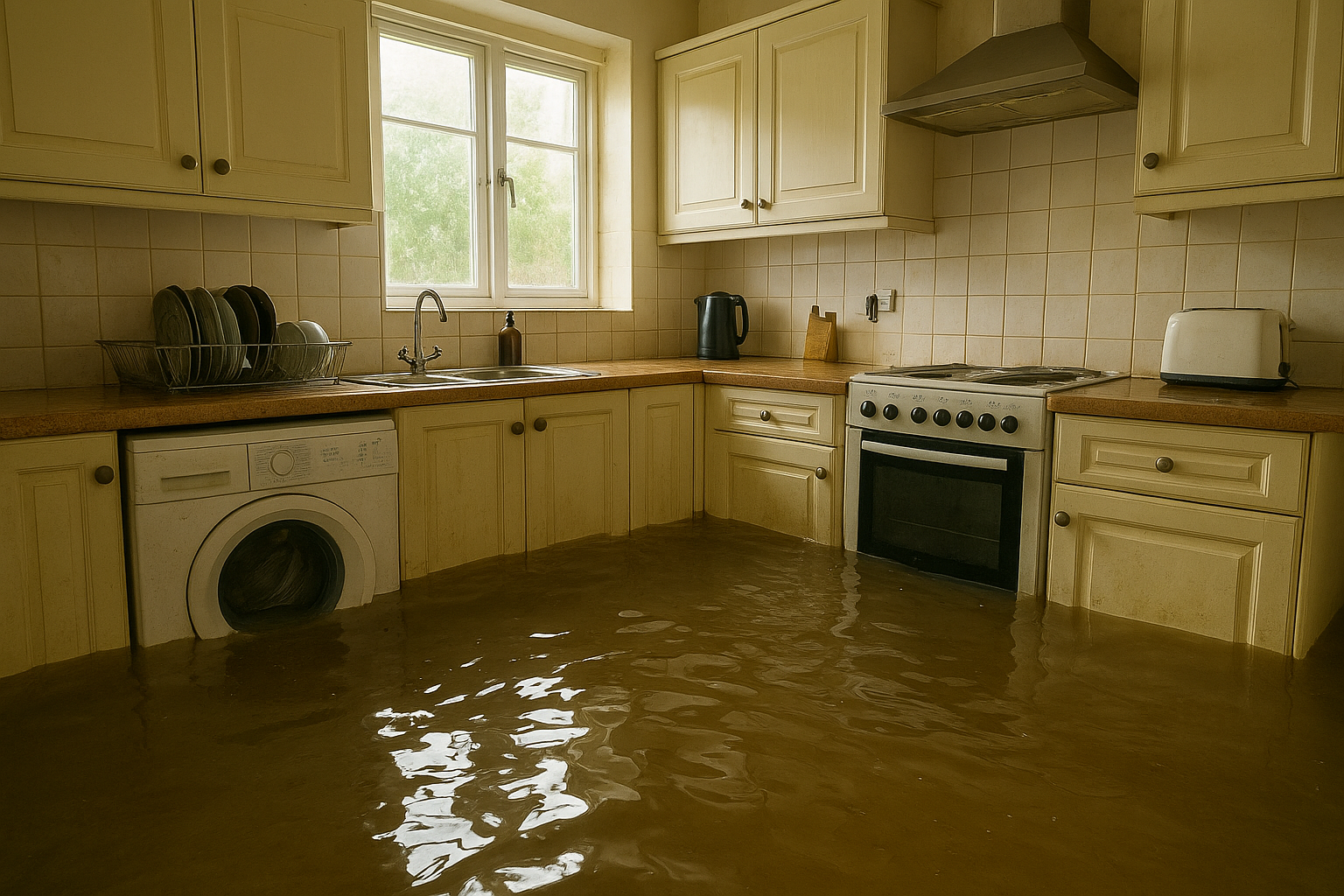






Storms and Severe weather are becoming more frequent across the UK, and thousands of homes suffer damage every year. Many homeowners, however, only discover problems with their claim after it’s too late, often due to poor documentation, missed deadlines, or misunderstandings about what their insurance actually covers.
1 in 6 UK homes are at risk of flooding during severe weather. Determining whether yours is one of them should be a top priority. To find out whether your home is at risk, use the government flood checker site.
Even if your home is not on the list, a severe storm can strike at any time. You’ll need to ensure you’re prepared.
This guide explains how to protect your home before a storm, what to do during and immediately after severe weather, and how to navigate storm damage insurance claims effectively. You’ll also learn what’s typically covered by standard UK home insurance and how to prevent common claim rejections.
Taking simple preventive steps reduces the risk of damage and strengthens your claim if you ever need to file one.
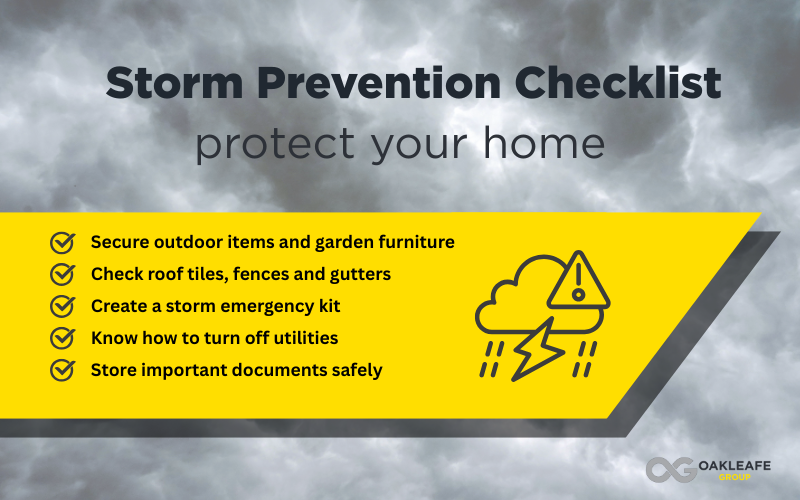
Secure outdoor items and garden furniture
Loose objects can become dangerous in high winds. Store or anchor items such as garden furniture, toys, tools, and wheelie bins.
Check roof tiles, fences and gutters
Look for loose tiles, unstable fences, or damaged guttering. Keep gutters clear and trim overhanging branches. Remember: most insurers won’t cover fences, gates or hedges.
Create a storm emergency kit
Include essentials such as warm clothing, food, a torch, medication and a power bank. Keep the kit accessible and update it regularly.
Know how to turn off utilities
Make sure everyone in your household knows where the main shutoffs for gas, water, and electricity are located.
Store important documents safely
Keep insurance documents, passports, and financial papers in waterproof storage, and consider digital backups.
Your safety comes first once a storm arrives.
Stay indoors and avoid windows
Keep internal doors closed and avoid watching the storm through windows. Only move around the house when necessary.
Unplug non-essential electronics
Power surges can cause significant damage. Turn off devices and report any outages via 105.
Avoid walking near trees or walls
If you must go outside, stay clear of structures that may collapse. Avoid driving unless absolutely necessary.
Keep pets and family members safe
Bring pets indoors, monitor weather updates, and make sure everyone knows the household emergency plan.
The hours following a storm are critical for both safety and claim accuracy.
Check for visible damage safely
Inspect your property from a distance before entering. If you suspect structural damage, seek professional help.
Avoid downed power lines and hazards
Never touch exposed wires. Report power outages on 105 and gas leaks on 0800 111 999.
Photograph and document all damage
Take clear photos and videos before any cleanup. Keep damaged items and receipts for emergency repairs.
Help vulnerable neighbours if possible
Once your home is safe, check on neighbours who may need assistance.
Contact your insurer promptly
Most policies require quick notification to avoid complications.
What Oakleafe Clients Say:
Book your complimentary consultation with our insurance claim professionals.
Our insurance claim professionals will explain the claim process to ensure you understand your options.

Knowing what’s included in your home insurance helps avoid surprises when making a claim.
Buildings vs. contents cover
Buildings insurance protects your home’s structure; contents insurance covers belongings. Many people hold combined policies.
What is typically excluded
Common exclusions include:
Some insurers also set minimum weather thresholds (e.g., specific wind speeds or rainfall amounts).
Check your policy limits
Your policy states the maximum payout for storm damage. Reviewing this in advance helps you understand potential costs.
Temporary accommodation options
If your home becomes uninhabitable, many policies provide cover for temporary housing or essential facilities.
Contact Oakleafe for support
Oakleafe can support you after a storm by handling the entire insurance claims process on your behalf. We will assess and document all storm damage, manage communication with the insurer, gather the necessary evidence, and negotiate to ensure the client receives a fair and accurate settlement. We can also coordinate emergency repairs and guide homeowners through every step, reducing stress and helping you recover as quickly as possible.



Our claims team will review the details and contact you shortly. We’ll guide you through the next steps of your claim.